
Buy Bulk Ammunition by the Case and Save More on Every Round
Bulk ammunition is not simply a larger box of cartridges, but a packaging and purchasing method that can reduce per-round costs by up to 30% compared to standard retail boxes. It works by supplying rounds in loose, non-inserted quantities—typically inside a simple cardboard box or sealed plastic bag—which eliminates expensive individual packaging and plastic tray inserts. The primary benefit is that shooters can burn through high volumes Ammunition for Sale of practice or training rounds without constantly re-buying small packs, though proper long-term storage in airtight, moisture-controlled containers is essential to preserve primer and powder reliability. Cost-per-round efficiency is the single most decisive factor for those who shoot frequently.
Why Buying in Volume Saves You More Than Just Money
Buying bulk ammunition saves you more than just money by securing consistent lot numbers, which means uniform powder charges, bullet weights, 9.3x62mm Mauser Ammo for Sale and case dimensions across every round. This consistency directly improves your accuracy, as your rifle’s zero remains stable from the first box to the last, eliminating the need to re-sight after switching batches. Volume purchases also save you time and travel, because fewer trips to the store or fewer shipping delays mean more range sessions spent actually shooting rather than hunting for stock. Having a large reserve also builds resilience against temporary shortages, ensuring your training schedule never pauses due to empty shelves. Furthermore, buying in bulk reduces per-round cost significantly, allowing you to practice more frequently for the same budget, which accelerates skill development. The real value, though, lies in the mental freedom of knowing you can shoot without rationing your supply.

How Per-Round Costs Drop When You Purchase Large Quantities

The most immediate financial benefit of bulk ammunition is the arithmetic of per-unit pricing. Manufacturers and distributors bake fixed costs—packaging, handling, and logistics—into each box’s price. When you buy a single 20-round box, those overheads are spread across only twenty cartridges. A 1,000-round case, however, amortizes the same fixed expenses over fifty times more product, directly slashing the per-round cost. Retailers also apply tiered profit margins: lower margin on a high-volume sale still yields higher total profit, so they pass a steeper discount .50 Cal Ammo for Sale to you. This isn’t a tiny saving; the price-per-round often drops by 20–40% when scaling from box to case, purely from this cost reallocation.
How per-round costs drop when you purchase large quantities comes down to two levers: reduced packaging overhead and deferred supply-chain surcharges (e.g., hazmat fees are a one-time flat fee, irrelevant to count). A single bulk order avoids the repeated per-shipment costs that plague small, frequent purchases. Your effective price is locked in at the lowest tier, which also protects you from mid-year price hikes. How does the per-round price change when moving from a 100-round pack to a 500-round case? The drop is typically 5–15 cents per round, depending on caliber and brand, because the seller’s fixed costs shrink as a fraction of the total, and your per-shipping fee is diluted across far more cartridges.
Does Storing More Ammo Actually Reduce Range Trip Frequency?
Does storing more ammo actually reduce range trip frequency? Honestly, yes, but mostly because of a mindset shift, not math. When you have a deep stash from a bulk buy, you stop rationing every magazine like it’s gold. That means you’re less tempted to stretch one box into two sessions, so you consolidate practice into fewer, longer outings instead of scrambling for a quick hundred rounds. The real win is fewer emergency dry-fire sessions that don’t scratch the itch. You plan better, pack more, and shoot more per visit, so you naturally skip that mid-week “I need to burn 50 rounds” run. It’s about efficiency, not hoarding.
**Q: Does storing more ammo actually reduce range trip frequency?**
A: Yes—by encouraging longer, deliberate sessions over short, frequent ones, you’ll visit less often while shooting the same total volume.
What to Check Before Loading Up on a Massive Order
Before committing to a massive bulk ammunition order, inspect the lot’s headstamp and manufacturing date to 7mm Rem Ultra Mag Ammo for Sale avoid mixed or aged stock that may cause feeding issues. Verify the **ammunition lot number** matches across all cases, as inconsistent primers or propellant batches can alter point of impact. Check the packaging for signs of moisture damage or crushed boxes, which can deform rounds and lead to chambering failures. Confirm the bullet weight and type against your firearm’s twist rate and magazine feed ramp—what works in one rifle may jam in another. Finally, measure a few cartridges’ overall length and case mouth tension to ensure they fall within SAAMI specs, as **bulk ammo quality control** can vary. Any anomaly means rejecting the order before you’re stuck with thousands of unusable rounds.
Matching Bullet Weight and Grain to Your Firearm’s Twist Rate
Before committing to a massive bulk order, verify your barrel’s twist rate—usually stamped on the bore or in the manual—against the bullet grain you intend to stock. A 1:7 twist stabilizes heavier 62–77 grain loads, while a 1:12 twist prefers lighter 55 grain projectiles. Ignoring this matchup causes keyholing and poor accuracy, wasting thousands of rounds. Check the manufacturer’s recommended grain range, then test a small sample at 100 yards. If groups tighten, scale up confidently. For optimal performance, match the bullet’s length and weight to your twist’s stabilizing capability. Use this sequence:
- Identify twist rate
- Confirm grain range
- Test fire for twist rate compatibility
- Order bulk only after validation
This prevents costly misfires and guarantees your investment shoots true.
Understanding Brass, Steel, and Aluminum Casings in Big Lots
When evaluating a massive bulk ammunition order, understanding brass, steel, and aluminum casings is your first line of defense against wasted money. Brass casings are the gold standard for reloadability and reliable extraction, making them ideal if you plan to reuse your bulk purchase. Steel casings, while cheaper, often feature a corrosive or polymer coating and can wear your extractor faster, so they suit high-volume plinking but not precision work. Aluminum casings are lightweight and affordable but are strictly single-use—they cannot be reloaded, so they demand a firm commitment to shooting once and discarding. Before you commit to a bulk lot, inspect the casing material thoroughly to match your shooting and reloading goals. A mixed lot can hide poor value, so verify every box’s casing type to avoid surprises.
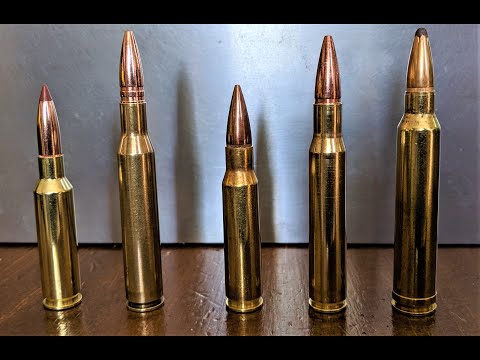
How to Verify Lot Numbers for Consistent Performance Across 1,000+ Rounds
Before committing to a bulk purchase, confirm the **lot numbers for consistent performance** across every case. Request the exact lot from your supplier, then verify it is stamped identically on each box and cartridge headstamp. Fire a 20-round sample from that specific lot to check velocity, accuracy, and pressure signs against your rifle’s baseline. If mixed lots appear, reject the order—different lots can shift point of impact and reliability. For 1,000+ rounds, demand the lot number in writing on the invoice and photograph the boxes before opening. This ensures every round you burn matches the proofing data, not a vague “similar” batch.
Smart Ways to Store and Organize a Large Stockpile of Cartridges
For bulk ammunition, prioritize airtight, desiccant-lined ammo cans over cardboard, as humidity is the primary enemy of primers and powder. Organize by caliber and lot number using labeling systems on both the can’s exterior and interior, noting the manufacturing date for rotation. Stack cans on steel shelving rated for heavy loads, keeping them off concrete floors to prevent condensation and rust. For rapid inventory tracking, use a simple spreadsheet or a color-coded tag system—green for sealed, yellow for opened, red for damaged. Store bulk cartridges in their original factory trays inside the cans to prevent bullet setback and primer deformation from jostling. Place silica gel packs between layers, and rotate your stockpile by using the oldest cartridges first for practice, reserving newer lots for long-term storage.

Picking Airtight Containers That Prevent Corrosion and Moisture Damage
When picking airtight containers for bulk ammunition, prioritize military-spec ammo cans with rubber gaskets, as they create a true hermetic seal that blocks humid air. Choose metal cans over plastic for long-term storage, since thick steel resists punctures and maintains an internal environment stable enough to prevent condensation. For plastic options, verify the lid has a dual-latch system and a silicone O-ring, testing it by pressing the corners to confirm no air escapes. Add silica gel desiccant packs inside, but refresh them regularly, because even an airtight container traps moisture already present. Airtight ammo can selection directly dictates whether primers and brass survive decades or corrode within months.
- Select cans with recessed, sealing gaskets that sit flush against the lid.
- Verify the container’s locking mechanism applies even pressure across the entire rim.
- Match container volume to cartridge size—loose 5.56 or stacked 12-gauge—to minimize empty airspace, which holds humidity.
- Inspect gaskets for cracks or deformation before each fill, replacing them immediately if compromised.
Rotating Your Reserve: Using Old Stock First So Nothing Goes Bad

To prevent degradation of propellants and primers, adopt a strict first-in, first-out (FIFO) rotation protocol for your bulk ammunition. When adding new cases, physically place them behind existing inventory, ensuring older cartridges are always accessed first. Write the purchase date on each container with a permanent marker, then schedule a routine check every six months to verify the oldest stock is being cycled through your firearms. This habit keeps your reserve consistently fresh, as even sealed ammunition loses potency over decades. For high-volume shooters, designate a “training ammo” shelf for the oldest boxes, using them for practice so your newest reserve remains pristine for critical use. Rotating your reserve systematically guarantees that old stock is consumed before it can become unreliable, eliminating waste and preserving 7mm Rem Mag Ammo for Sale ballistic consistency across your entire stockpile.
Labeling Systems to Track Caliber, Type, and Purchase Date Instantly
For bulk ammunition, a disciplined labeling system transforms storage from chaotic guessing into instant retrieval. Assign each sealed ammo can or container a unique ID, then affix a durable, waterproof label stating caliber, bullet type (e.g., FMJ, JHP), and purchase date—using a permanent marker or thermal printer for longevity. Cross-reference these labels with a simple spreadsheet or inventory app, but prioritize physical legibility: color-code by caliber (e.g., red for 5.56, blue for 9mm) and add a batch code to trace age and lot consistency. This enables rapid rotation of older stock and prevents caliber mix-ups during range trips. Crucially, instant identification of purchase date via labeled batch codes lets you monitor propellant degradation and reserve freshest rounds for defensive use, while moving 9.3x72R Ammo for Sale older stock to practice—all without opening a single box.
Q: What is the fastest way to make caliber and purchase date visible at a glance?
A: Combine large, color-coded lid stickers with a whiteboard-based legend mounted above your storage shelf, so you scan color and date without handling containers.
Common Pitfalls New Buyers Face With High-Volume Purchases
New bulk ammo buyers often trip up by ignoring storage realities—buying 5,000 rounds of soft-point hunting ammo when a sealed .223 can sits at a different temperature profile. That’s the trap: you save per round but lose money on corrosion or powder degradation from a damp garage. Another pitfall is mismatched lot numbers—mixed headstamps in one case cause pressure spikes or feed failures. Also, don’t assume “bulk” means “plinking-grade.” You might pay for match-grade accuracy you don’t need, or worse, get steel-cased rounds that chew up your extractor.
Always test a single box from your actual bulk case before committing—a bad lot is cheaper to discover at 20 rounds than 2,000.
Finally, remember shipping weight and crate size; a pallet of 10,000 rounds can ruin your back or floor joists if you’re not ready.
Why You Should Never Mix Different Brands in One Magazine or Box
Mixing different brands in one magazine or box is a silent accuracy killer that plagues bulk ammunition buyers. Each manufacturer maintains distinct tolerances for case length, bullet seating depth, and powder burn rates, so your point of impact can shift dramatically between rounds. This inconsistency ruins grouping and can cause feeding malfunctions when one brand’s slightly thicker rim fails to chamber reliably after another’s slicker casing. For defensive or competition loads, that unpredictable behavior is simply unacceptable. Brand-specific bulk ammo segregation protects your zero and your firearm’s reliability. Never assume “close enough” — a jammed magazine during a critical drill is the worst possible outcome.
Q: Why should I never mix different brands in one magazine or box?
A: Because pressure curves and bullet weights vary between manufacturers, causing erratic recoil impulse, inconsistent muzzle velocity, and potential double-feed jams. One brand might cycle perfectly, while another’s slightly longer overall length binds against the feed lips. Keep each magazine strictly dedicated to a single brand for predictable performance.
Spotting Signs of Poor Crimping or Primer Issues Before You Hit the Range
Before you burn through a bulk box, give your ammo a quick once-over—it saves range-day headaches. Spotting signs of poor crimping or primer issues early is easy if you check the case mouth and headstamp. Look for a rolled, even crimp; if the bullet sits loose or the case has a sharp lip, skip it. Primer pockets should sit flush or slightly below—proud primers risk light strikes. Heavily tarnished or greenish primers might still fire, but they’re a 9×18 Makarov Ammo for Sale red flag for storage problems. Also, check for dents or cracks near the rim, which can cause extraction failures. Toss any round that feels off—it’s cheaper than a jammed slide.
- Inspect case mouths for uneven or missing crimp rings.
- Run a finger over primers—flush is good, raised means trouble.
- Shake-test loose bullets; rattling points to weak neck tension.
- Reject rounds with corroded or deeply dented rims.
What to Do if a Few Rounds Fail to Fire or Cycle in Your Gun
When a few rounds from your bulk purchase fail to fire or cycle, do not assume the entire lot is defective. First, safely eject the faulty round and inspect it for a light primer strike versus a hard indentation; this distinguishes a firearm issue from an ammunition issue. If the primer shows a solid hit, the round likely has a dead primer, so set it aside and continue—most bulk ammunition tolerates a rare dud. If failures become frequent, stop firing and check your firearm’s extractor and chamber for fouling, as bulk ammo can be dirtier. Then test a different box from your purchase; if specialty sports and supply it cycles, you’ve isolated a bad batch. Always finish by chambering a fresh round manually to confirm the action resets properly.
- Keep a dedicated “misfire” pouch to separate duds from live rounds for later disposal.
- Run a bore snake or cleaning 9mm Ammo for Sale patch after every 100 rounds to prevent carbon buildup from dirty bulk loads.
- If two consecutive rounds fail in the same magazine, swap magazines before blaming the ammunition.
- Record the box’s lot number and note the failure rate to report or avoid that batch.
Choosing Between Full Power, Match, and Plinking Loads for Your Bulk Buy

When you’re staring at a bulk ammunition order, the real story begins with honesty about your shooting. Full power loads are 6mm Remington Ammo for Sale the backbone of defensive practice—they replicate recoil and point of impact, so your muscle memory stays honest when it matters. But if you’re burning through 500 rounds a weekend just for trigger time, **plinking loads** become the unsung hero, stretching your budget and keeping the fun rolling without punishing your shoulder. The twist comes when you mix a few boxes of **match-grade ammunition** into that same bulk buy—not for every mag, but for the days you need to verify zero or chase tight groups. I’ve learned to split my order: 70% plinking for volume, 20% full power for carry consistency, and 10% match for precision check-ins. That balance turns a simple purchase into a training plan that actually works.
How to Identify Low-Recoil Rounds for Faster Follow-Up Shots
To identify low-recoil rounds for faster follow-up shots, check the listed **muzzle velocity and bullet weight**—lighter projectiles (like 55-grain 5.56 or 115-grain 9mm) paired with reduced powder charges generate less felt kick. Look for packaging labeled “Low Recoil,” “Trainer,” or “Reduced Load,” and compare the ballistic coefficient; a flatter trajectory at lower velocities often signals softer shooting. For pistols, choose 147-grain subsonic 9mm or 124-grain “light” loads, as these cycle reliably while cutting snap. In bulk ammo, verify the load’s published foot-pounds of energy—under 350 ft-lbs in 9mm or 1,200 in .223 indicates manageable push. Stick to brands like Federal Syntech or Winchester’s “Power Point” reduced loads, which prioritize controllability over peak power without sacrificing feed reliability in semi-autos.
Q: What is the fastest way to identify low-recoil rounds for faster follow-up shots?
A: Scan the box for the projectile’s grain weight and velocity—anything with a lighter bullet (under 124g in 9mm, under 62g in .223) and a listed velocity below 1,100 fps in pistol or 3,000 fps in rifle signals reduced recoil, letting you stay on target for rapid, accurate doubles.
Selecting Projectile Types—FMJ, Hollow Point, or Soft Point—Based on Your Goal
When you’re stocking up in bulk, your projectile choice should mirror your primary purpose. Full metal jacket rounds are the undisputed champions for high-volume practice, delivering reliable feeding and maximum barrel life without breaking the bank. If your goal shifts to defensive preparedness, hollow points expand reliably in tissue, offering superior stopping power, though they demand more testing for consistent performance in your specific firearm. For hunting medium game, soft points provide a controlled balance of penetration and expansion, making them the versatile pick. Ultimately, matching projectile types to your intended shooting goals transforms a simple ammo purchase into a strategic investment in your success.
Breaking Down Velocity and Pressure Differences Across a Single Case of Ammo
In a single bulk ammunition case, velocity and pressure are intrinsically linked through the powder charge’s burn rate and case volume. A heavier projectile seated deeper raises chamber pressure faster, while a lighter bullet with the same charge yields higher velocity but lower peak pressure. For your bulk buy, matching the load data to the exact case manufacturer matters—thicker brass reduces internal volume, spiking pressure and velocity unpredictably across a mixed batch. Pressure-tuned consistency ensures that each round’s velocity deviation stays under 15 fps, which directly impacts shot-to-shot accuracy at distance. If you’re blending plinking and full-power rounds, verify that the case headstamps share the same primer pocket depth, as this alters ignition timing and pressure trace, shifting your point of impact mid-box.
Velocity and pressure differences within one ammo case stem from case volume, projectile weight, and powder burn rate; consistent bulk performance demands matching headstamp and load data to avoid dangerous spikes or erratic velocities.